

Small-Yard Rain Gardens That Drink the Storm
Today we’re diving into DIY rain garden designs to capture stormwater in small yards, turning every downpour into a chance to nourish soil, plants, and neighborhood waterways. You’ll learn to map runoff, size a compact basin, choose resilient natives, and build with confidence using simple tools, repurposed materials, and practical steps that respect roots, utilities, and neighbors. Stay to the end for care tips, real-world anecdotes, and ways to connect, ask questions, and share your progress with our community.

Map the Flow, Not Just the Puddles
Trace roof areas feeding each downspout, then follow water across lawns, patios, and compacted paths. Chalk arrows during light rain reveal surprising shortcuts. Snap phone photos, mark low spots, and measure distances to structures. This observational loop prevents misplaced basins that stay dry or flood unpredictably. Share your sketch in the comments to get sizing feedback, because a tiny calibration now can transform performance once the first real storm arrives.
Run a Simple Infiltration Test
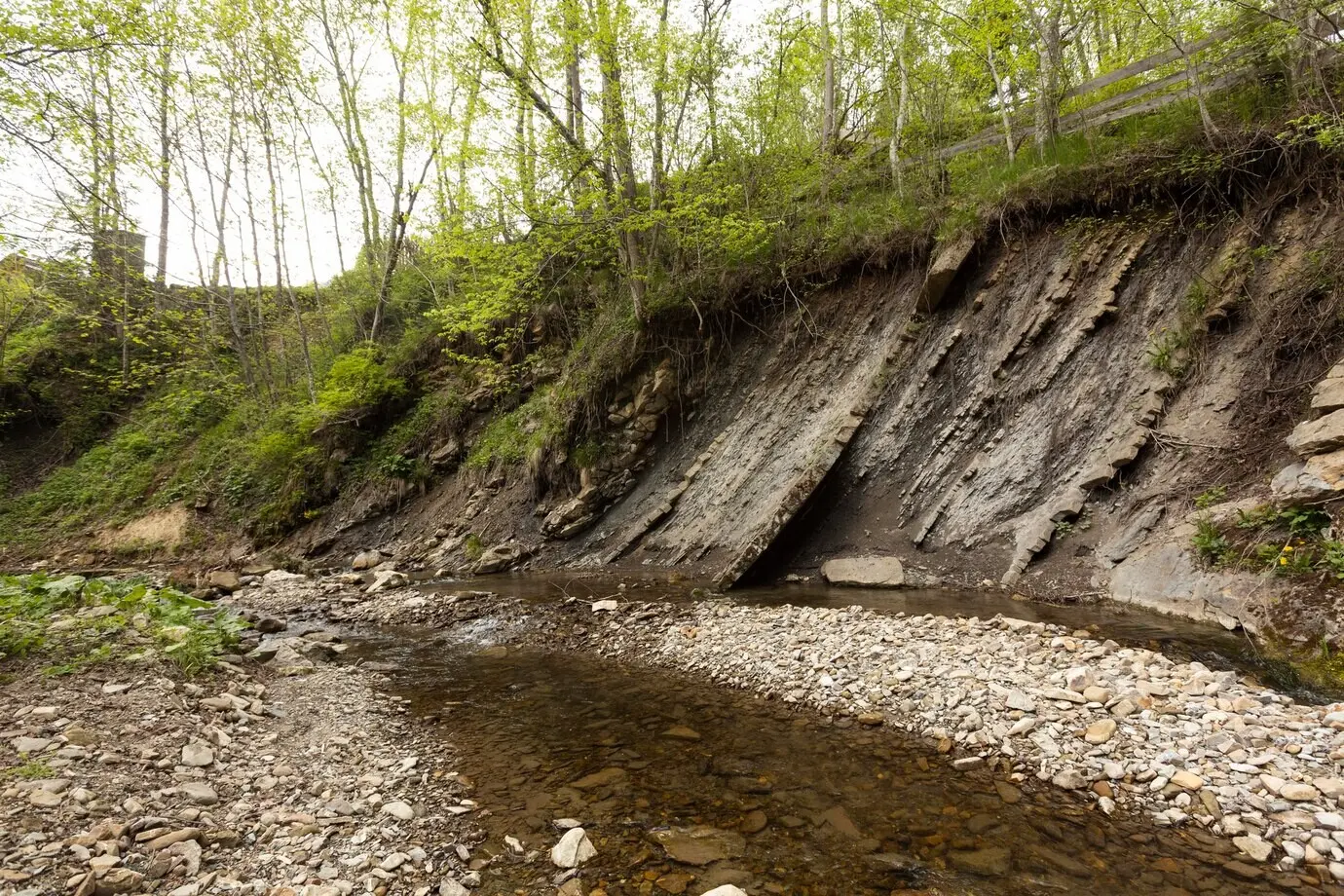
Dig a small test hole about a foot deep, fill it with water, and time how long it drains. Repeat after pre-soaking to mimic real storms. Faster than an inch per hour means great infiltration; slower invites amendments or underdrain planning. Record soil texture, noticing sandy crumble or sticky clay. These clues inform layer depth, plant choices, and overflow strategy, ensuring your compact basin captures bursts without becoming a stubborn, long-lasting puddle.


Smart Layouts for Tight Spaces
A compact yard rewards curves, layers, and intentional flow control. Kidney shapes tuck beside patios, crescents catch sheet flow below short slopes, and narrow ribbons slip between paths and beds. Size the basin by contributing roof and paving, not guesswork. Gentle berms define edges, while a shallow forebay calms incoming water. An honest overflow route protects neighbors and pathways during exceptional storms. With thoughtful layout, your space remains welcoming, tidy, and surprisingly powerful at soaking the rush.
Mix That Breathes and Drinks
Aim for a structured blend: roughly fifty to sixty percent sand for pore space, twenty to thirty percent compost for biology, and the remainder native soil for familiarity. Adjust ratios to local conditions and plant needs. Too much compost can slough during storms, while pure sand starves roots. Test small patches first, observing ponding and percolation after a hose soak. Share your ratios and results—collective tinkering helps everyone fine-tune mixes that stay open, resilient, and beautifully productive.
Clays Need Patience or Underdrains
Heavy clay can work with thoughtful design. Widen the basin, soften slopes, and avoid deep holes that hold water excessively. Consider a perforated pipe set in washed gravel, wrapped in fabric, leading to a safe outlet only if infiltration proves stubborn. Many gardeners find a raised basin with imported mix succeeds without piping. Track ponding times across seasons, because biology and structure improve slowly. Celebrate small gains, and resist overcomplicating until observation proves it necessary.
Mulch and Stone Do Quiet Work
Coarse, shredded hardwood mulch locks together, resisting float-off during flashy storms while suppressing weeds and protecting soil life. River rock at inlets breaks energy and prevents craters. A small sediment pocket upstream gathers grit for easy scoop-out. Refresh mulch annually, keeping it clear of crowns. These simple materials act like stagehands, unseen yet essential, extending plant health, preserving infiltration, and keeping edges crisp. Post before-and-after photos to inspire neighbors to try these subtle, effective upgrades.
Soils, Layers, and the Hidden Engine
What happens below the mulch matters most. A balanced mix of sand, compost, and native soil supports rapid infiltration without starving plants. Clay-heavy yards may benefit from gentle amendments, a raised profile, or a discreet underdrain. A small forebay traps grit, while river rock dissipates energy. Mulch buffers temperature swings and slows evaporation. This layered engine quietly manages extreme swings between storm surges and drought pauses, converting rushed runoff into deep, useful moisture plants can bank for later.

Rain-Ready Natives for the Basin
Look for plants comfortable with occasional standing water and quick drawdown. Swamp milkweed, blue flag iris, cardinal flower, and sedges handle dramatic swings while feeding pollinators. Group in threes for rhythm and easier care. Mix heights for airy porosity that slows flow. Once established, these anchors laugh at summer dry spells. Share your region, and we’ll swap suggestions for localized species lists that pair seasonal color with reliable stormwater performance in tight urban yards.

Anchors for Edges and Berm
Edges need structure that holds shape through weather and mower turns. Switchgrass, little bluestem, purple coneflower, and black-eyed Susan stabilize slopes, welcome butterflies, and keep the outline crisp. Evergreens or low shrubs can provide year-round bones without shading the basin too much. Choose textures that read from the sidewalk while hiding occasional leaf litter. Post your favorite combinations and height ranges; the right edge anchors make tiny spaces feel intentional, inviting, and wonderfully resilient.
Build Day: From Marking Lines to First Storm
Construction goes smoothly with a clear sequence. Mark outlines with a hose, flag level points, and excavate evenly, keeping a stockpile of topsoil for reshaping the berm. Install inlet stone, a small forebay, and an honest overflow notch. Check grades with a straight board and level. Plant deeply watered plugs, mulch generously, and water in until the basin drinks evenly. Keep a camera handy—documenting progress helps troubleshoot, teaches neighbors, and celebrates the moment rain first arrives.
Care, Costs, and Community
Successful rain gardens are steady rituals rather than chores. The first year brings weeding, watering, and occasional mulch top-ups; later years shift to light grooming, seasonal cutbacks, and celebratory photo walks after storms. Costs stay modest with repurposed stone, salvaged compost, and native plugs from local sales. Small grants sometimes help. Most rewarding is the community: neighbors ask, birds return, and sidewalks feel cooler after rain. Subscribe, comment, and trade tips—your experience will guide the next builder.
Weekly weeding prevents invasives from settling in, while deep, infrequent watering trains roots to chase moisture below the mulch. Replace mulch where it thins, but allow stems to stand through winter for habitat. In spring, cut back thoughtfully and top-dress with compost. Keep a notebook logging ponding times and plant responses. Share your notes and photos, because comparing first-year journeys helps others anticipate surprises, dodge mistakes, and enjoy the steady rhythm of growing confidence.
Repurpose concrete chunks beneath river rock, rescue bricks for edges, and request wood chips from arborists for free. Prioritize plants over pricey décor, and focus on functional stone at inlets and overflows. Buy plugs instead of gallons to stretch coverage. Check municipal programs for rebates tied to stormwater reduction. Post your cost breakdown and sources; transparent numbers empower others to start. Thoughtful thrift builds character into the space while proving that performance does not require premium price tags.
After the first big storm, measure ponding depth, note how long water lingers, and photograph inlet, forebay, and overflow. Report your data in the comments, and ask questions about tweaks. We’ll respond with ideas grounded in your conditions. Invite neighbors for a quick tour, because seeing a compact basin quietly drink runoff changes minds. Join our list for seasonal checklists, plant swaps, and local workshops that turn isolated efforts into a friendly network of resilient yards.

All Rights Reserved.