Let the Rain Soak In, Not Your Patio

Today we explore permeable hardscaping ideas to prevent patio and pathway flooding, transforming stormy afternoons into satisfying moments of smart design. Discover how permeable pavers, gravel systems, resin-bound surfaces, and living drainage pairings encourage infiltration, protect foundations, and keep outdoor rooms inviting after heavy rain. We will break down construction layers, maintenance habits, and real-world tips that make water work for you, not against you. Share your rainy-day challenges, ask questions, and subscribe for ongoing guidance as we build landscapes that welcome weather with confidence and style.

How Water Moves Through Your Outdoor Spaces

Before choosing materials, it helps to understand runoff pathways, soil behavior, and subtle grade changes that steer water toward doors, steps, or planting beds. By recognizing where puddles persist and how quickly soil absorbs a soaking, you can plan surfaces that invite infiltration instead of shedding. This understanding turns guesswork into confident decisions, aligning edges, slopes, and underlayers so stormwater disappears into the ground, nourishes plantings, and reduces stress on municipal systems and your home’s foundation, even during intense, short cloudbursts.

Choosing Surfaces That Sip, Not Shed

{{SECTION_SUBTITLE}}

Permeable Interlocking Concrete Pavers

Permeable pavers create beautiful patterns with engineered voids between units, allowing water to drain through clean, angular stone in the joints. Beneath, open-graded aggregates store stormwater while supporting loads from furniture, grills, and occasional vehicles. Choose frost-resistant units, avoid fine sand that clogs, and specify ASTM-compliant bedding and joint stone. With proper sweeping and occasional vacuuming, these surfaces stay free-draining, remain stable through freeze-thaw cycles, and provide crisp edges that complement modern or traditional architecture gracefully.

Stabilized Gravel Paths and Patios

Angular, fines-free gravel locked into honeycomb grids or stabilized with discreet binders gives a natural look while staying surprisingly firm. Edging holds the profile and protects planting, and geotextiles separate soil from the reservoir layers. This option drains quickly, breathes, and stays cooler under summer sun than solid slabs. With occasional raking and top-up, it offers a relaxed, crunch-underfoot feel that resists potholes, welcomes wheelbarrows, and avoids the issue of water racing toward doors during intense downpours.

Stone Reservoirs That Store and Release
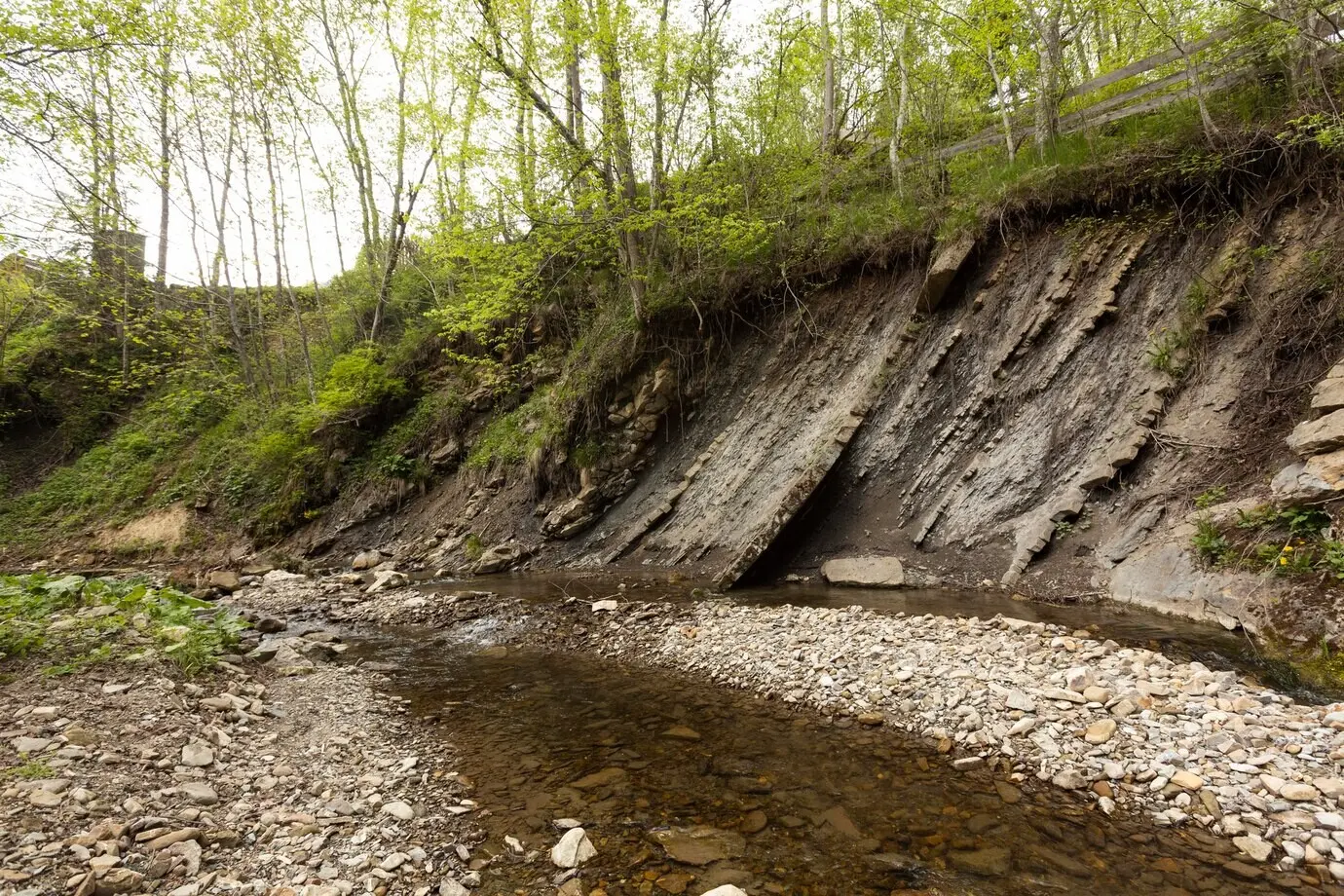
Layer clean, open-graded aggregates to create a durable foundation with voids for storage. A base of larger stone supports load and volume, while a thinner bedding layer cradles pavers or stabilizes a resin-bound surface. Thickness matches climate, soil, and storm intensity, balancing strength with rapid drainage. By avoiding fines, you protect pore space and reduce clogging. The result is structural confidence combined with reliable infiltration, quietly handling peak flows without drawing attention or compromising daily comfort.

Geotextiles and Grids for Separation and Strength

A robust separation fabric over the subgrade stops soil from pumping into the stone reservoir, preserving permeability under repeated use. On soft or expansive soils, geogrids add reinforcement that distributes loads and mitigates settlement. These unseen layers reduce maintenance, protect your investment, and keep paths level where wheelbarrows, chairs, or strollers travel. They also simplify future refreshes, letting you vacuum-clean or replenish surface stone without rebuilding everything. Thoughtful layering multiplies performance while keeping the surface elegant and uncluttered.

Overflow Paths and Underdrains When Needed

In slower-draining soils, a perforated underdrain wrapped in fabric inside the stone base offers insurance during extreme storms. Route it to a rain garden, dry well, or daylight, and plan an emergency spillway away from structures. This safety valve rarely runs during typical rain, but it preserves usability during heavy downpours. By combining storage, infiltration, and measured release, your patio and paths stay open for dinner, play, and conversation, even when the forecast tests every part of your design.

Pair Hardscape With Living Systems

Rain Gardens and Bioswales That Welcome Storms

Carve gentle basins filled with deep-rooted natives that tolerate wet feet briefly and dry spells afterward. A layered soil mix and mulch capture sediment while roots maintain channels that encourage infiltration over time. Place them downslope of patios or pathway edges, guiding water through gravel aprons or curb cuts. You’ll receive a changing tapestry of blooms alongside dependable drainage. Neighbors may notice fewer puddles near fences, and butterflies will confirm that your storm strategy is also habitat, beauty, and calm.


Redirected Downspouts and Rain Reuse

Carve gentle basins filled with deep-rooted natives that tolerate wet feet briefly and dry spells afterward. A layered soil mix and mulch capture sediment while roots maintain channels that encourage infiltration over time. Place them downslope of patios or pathway edges, guiding water through gravel aprons or curb cuts. You’ll receive a changing tapestry of blooms alongside dependable drainage. Neighbors may notice fewer puddles near fences, and butterflies will confirm that your storm strategy is also habitat, beauty, and calm.

Trees as Partners in Infiltration

Carve gentle basins filled with deep-rooted natives that tolerate wet feet briefly and dry spells afterward. A layered soil mix and mulch capture sediment while roots maintain channels that encourage infiltration over time. Place them downslope of patios or pathway edges, guiding water through gravel aprons or curb cuts. You’ll receive a changing tapestry of blooms alongside dependable drainage. Neighbors may notice fewer puddles near fences, and butterflies will confirm that your storm strategy is also habitat, beauty, and calm.

Upgrade What You Have Without Starting Over

Retrofitting can be surprisingly simple. Many patios and paths accept permeable conversions by reusing existing footprints while swapping surfaces and reengineering layers below. Thoughtful edging, small height adjustments, and clean stone bases dramatically improve drainage without altering beloved layouts. Maintenance plans—like periodic vacuum-sweeping and joint recharging—keep systems performing. Even a single gravel shoulder or rain garden connection can eliminate chronic puddles. With patience and careful staging, you can phase improvements over weekends, all while keeping outdoor life uninterrupted and enjoyable.

Details, Approvals, and Budget Clarity

Good ideas become great outcomes with clear details and realistic planning. Check local codes regarding drainage, setbacks, and allowable impervious cover. Some municipalities offer stormwater fee reductions for installing permeable surfaces or rain gardens, making upgrades even more attractive. Build a simple budget that includes excavation, stone, fabrics, surface materials, and maintenance tools. Phasing by zones spreads cost and disruption. Document slopes, layer depths, and overflow routes so future you—or a contractor—can maintain performance easily, keeping puddles permanently in your past.
Totaropunexekumufovili
Privacy Overview

This website uses cookies so that we can provide you with the best user experience possible. Cookie information is stored in your browser and performs functions such as recognising you when you return to our website and helping our team to understand which sections of the website you find most interesting and useful.